|
|
|
| Media contact: Roger Darnell DWA for Fivestone Studios +1.828.773.4410 |
||
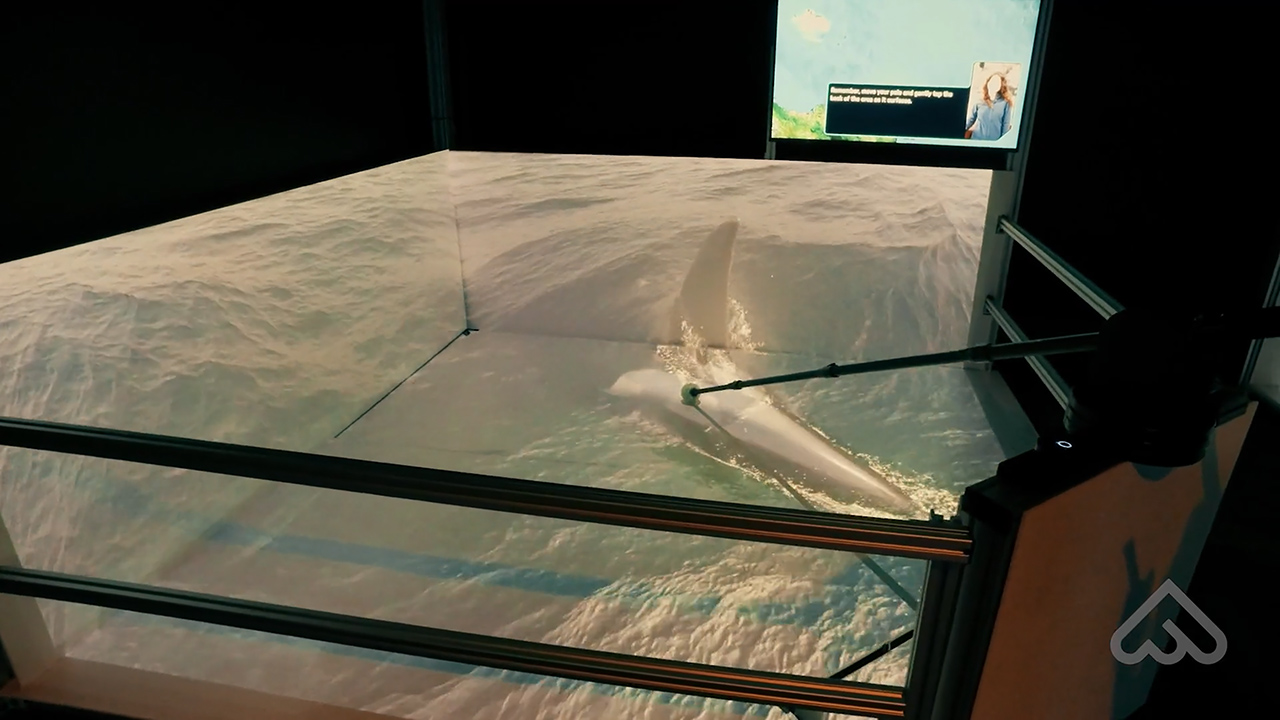
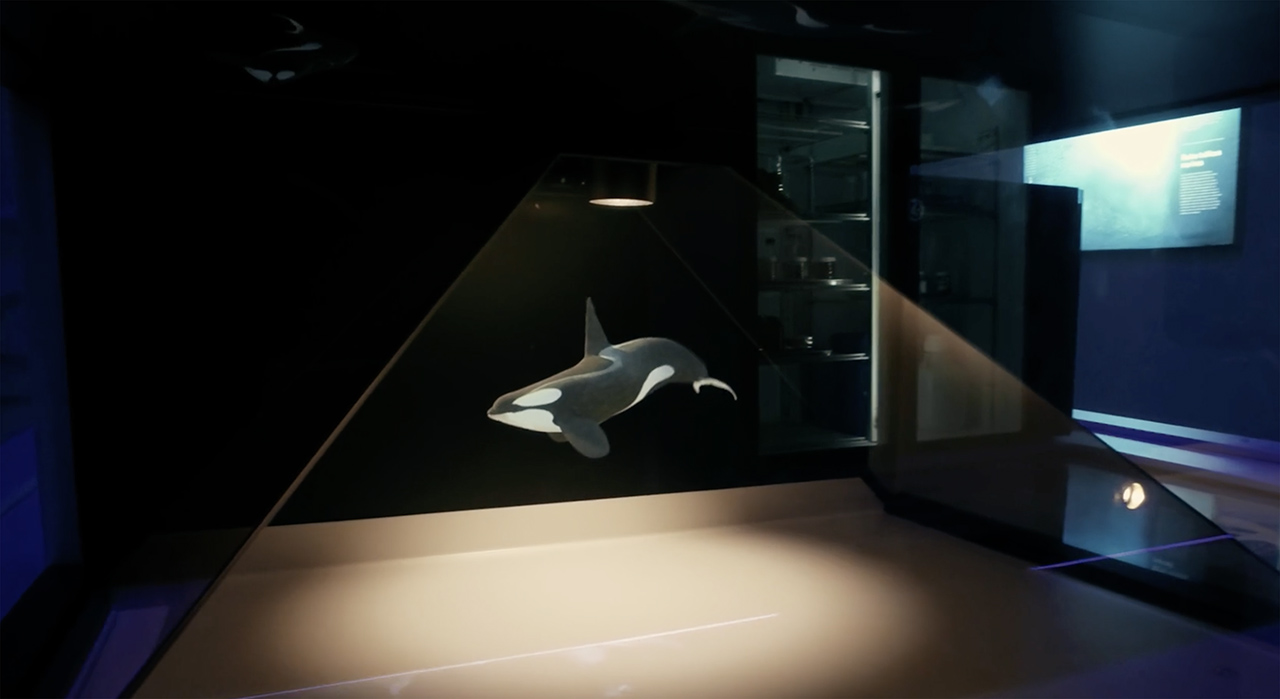
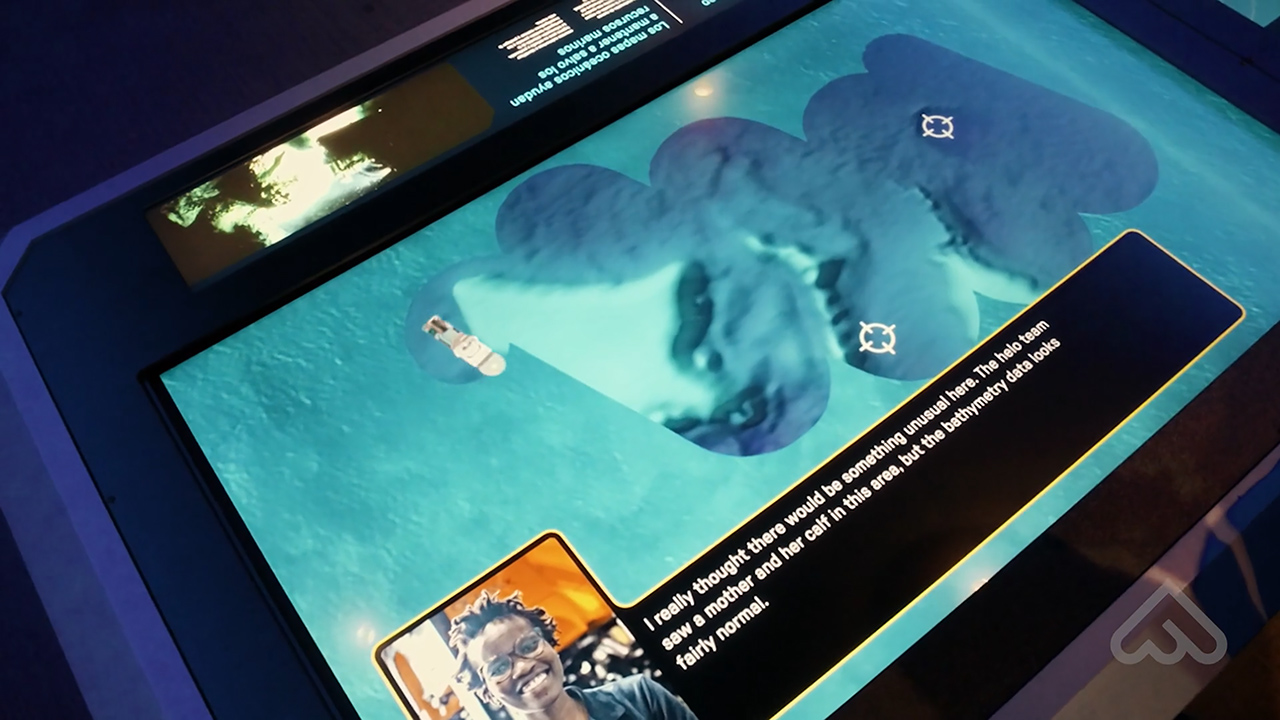
Talents of Fivestone Studios Shine in Seamless Interactive Technologies of Groundbreaking “OceanXperience” Traveling Exhibition from Flying Fish and OceanX“OceanXperience” uses cutting-edge science and technology that is accessible to visitors of all ages and abilities. “We’ve used radio frequency identification (RFID) technology to deliver customized visitor missions,” explained Jay Brown, Principal & Managing Director of Flying Fish. “Interactives like the ROV pilot stations, animal tagging, and mapping touch tables add to science-based learning. We developed ‘OceanXperience’ to be a true adventure, one with intention and connection, for explorers of all kinds.” Ensuring the seamless cross-functionality of these essential aspects of the phenomenal exhibition became the charge of the award-winning immersive multimedia company Fivestone Studios. Well-known for resolving giant-sized storytelling challenges using emerging technologies and patent processes, the firm’s multidisciplinary leaders for this project included Executive Creative Director Traylor Woodall, Director of Innovation Justin Eslinger, Lead Developer Keenan Woodall, Creative and User Experience Director Ron Edelen, Technical Director Kevin Harkness, and Head of Production Matt Thomason. “The exhibition’s user experiences are very nuanced and sophisticated,” Thomason began. “Our challenge was ensuring everything worked together seamlessly. Together with Justin, Ron, and the rest of our team, we were able to ensure all aspects of the exhibition’s enthralling interactive missions work together like a charm.” “OceanXperience” is an educational experience where visitors can assume the role of a scientist. After registration, visitors are assigned an RFID tag to track their progress, and invited to participate in one of three research missions – studying humpback whales, great hammerhead sharks, or orcas – or choose a non-mission approach. From there, visitors head to the Mission Control Mapping Table to access bathymetry data, scan the ocean floor, gather more information about their missions, and choose a hypothesis for further investigation. Then, they operate either an aerial drone or an underwater ROV to collect additional data, followed by virtually tagging an animal or dropping hydrophones into the water. In the state-of-the-art HoloLab, visitors view their mission footage on HoloLens 2 headsets before concluding with a debriefing session. “Our process served us very well in this case,” Eslinger said. “We began by auditing the user experience, then explored how we could elevate that overall and at an individual interactive level.” The CGI content used to simulate live data collection was produced largely by using Unity as the real-time game engine. This approach enabled Fivestone to focus on programming, user interfaces, and the overall user experience (UI/UX). Being a global team, the cloud-based collaborative design platform Figma was essential to Fivestone’s project design, management, and workflow. “The assured confidence we experienced through the leadership of Flying Fish made a challenging project that much easier,” added Traylor Woodall. “We were able to get on the same page quickly and ensure ‘OceanXperience’ is as magical as possible for each and every visitor.” Complete project credits are available upon request. About OceanX About Flying Fish About Fivestone Studios # # #
- back to top -
|
Fivestone Case Study: “OceanXperience” Traveling Exhibition“OceanXperience” diver with camera image courtesy of OceanX. Click here for 300 dpi version.
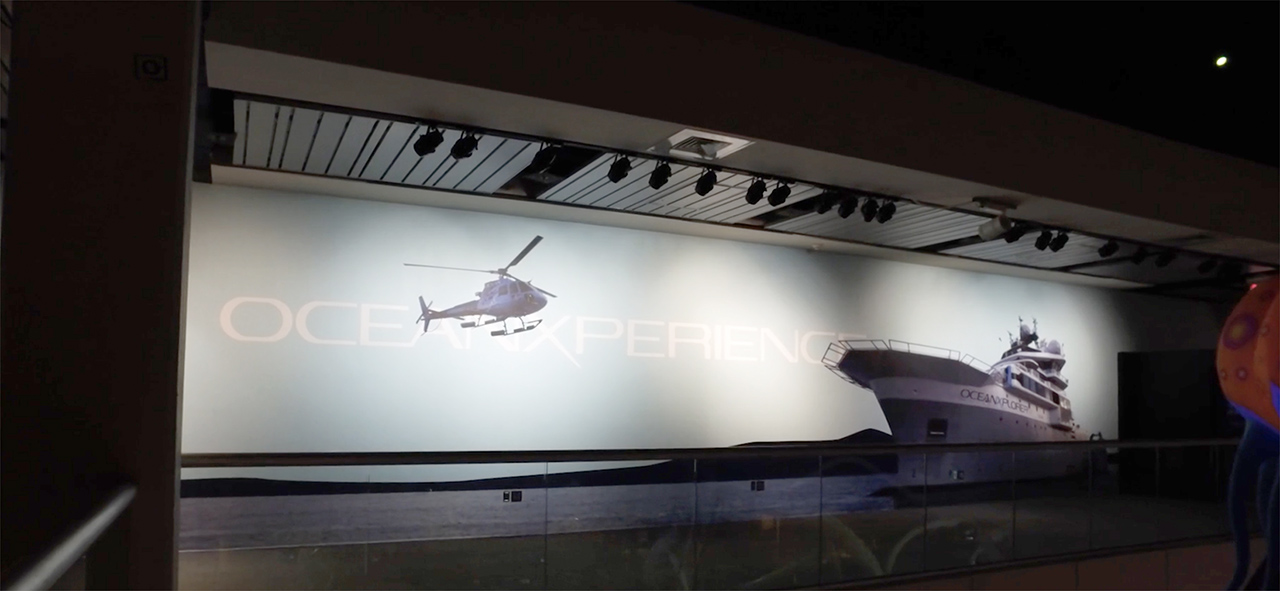
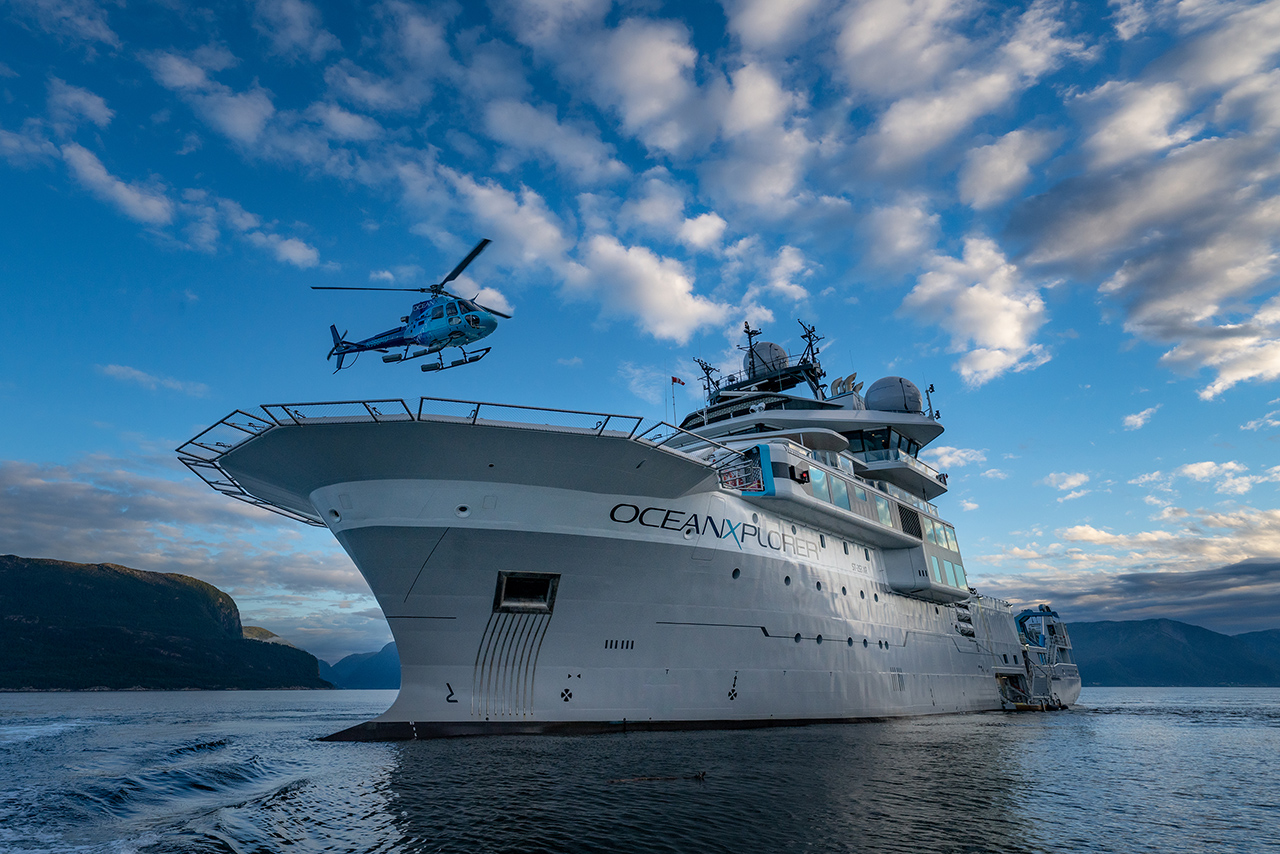
“OceanXperience” helicopter image courtesy of OceanX. Click here for 300 dpi version.
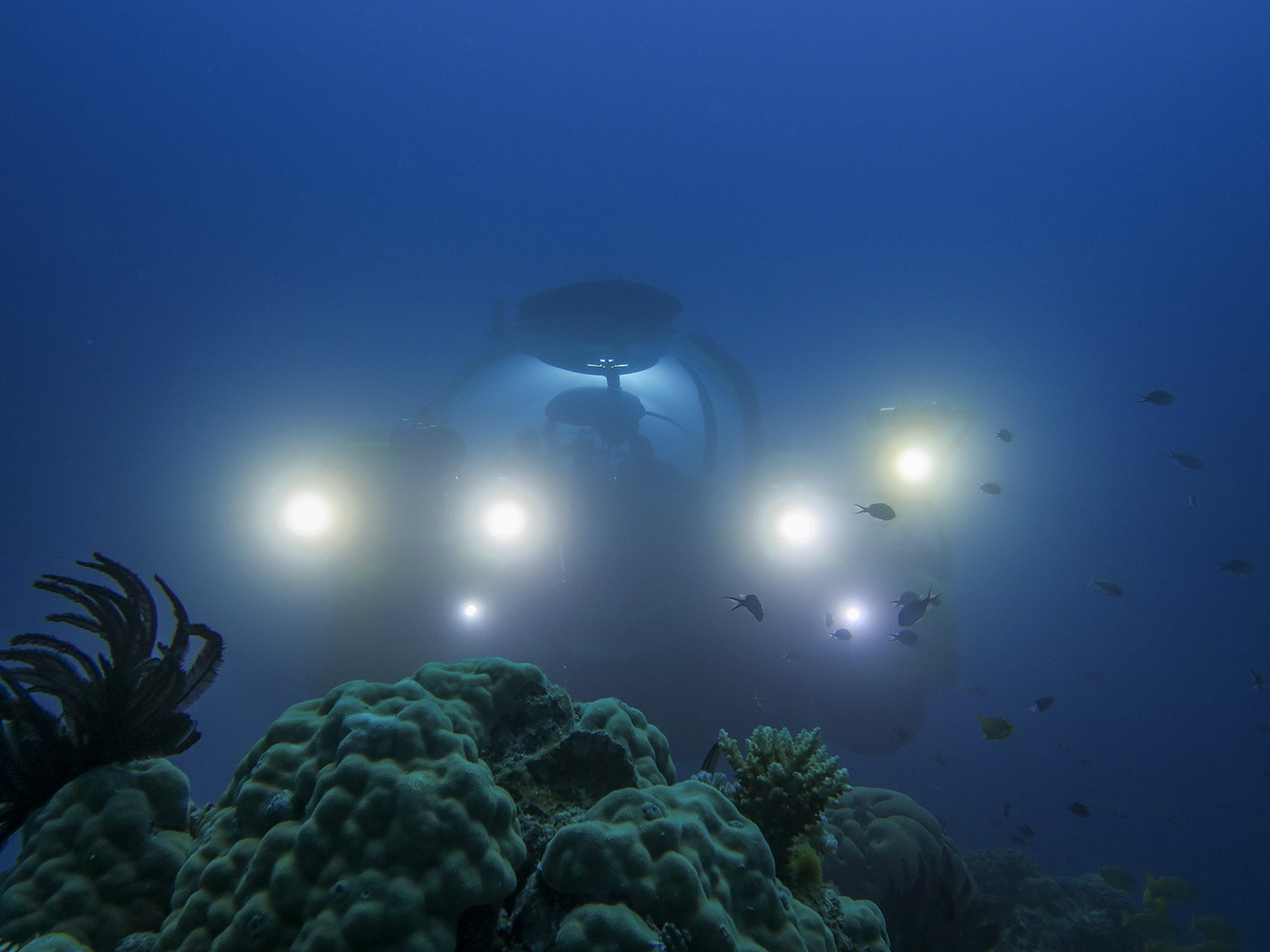
“OceanXperience” sub Great Barrier Reef image courtesy of OceanX. Click here for 300 dpi version.
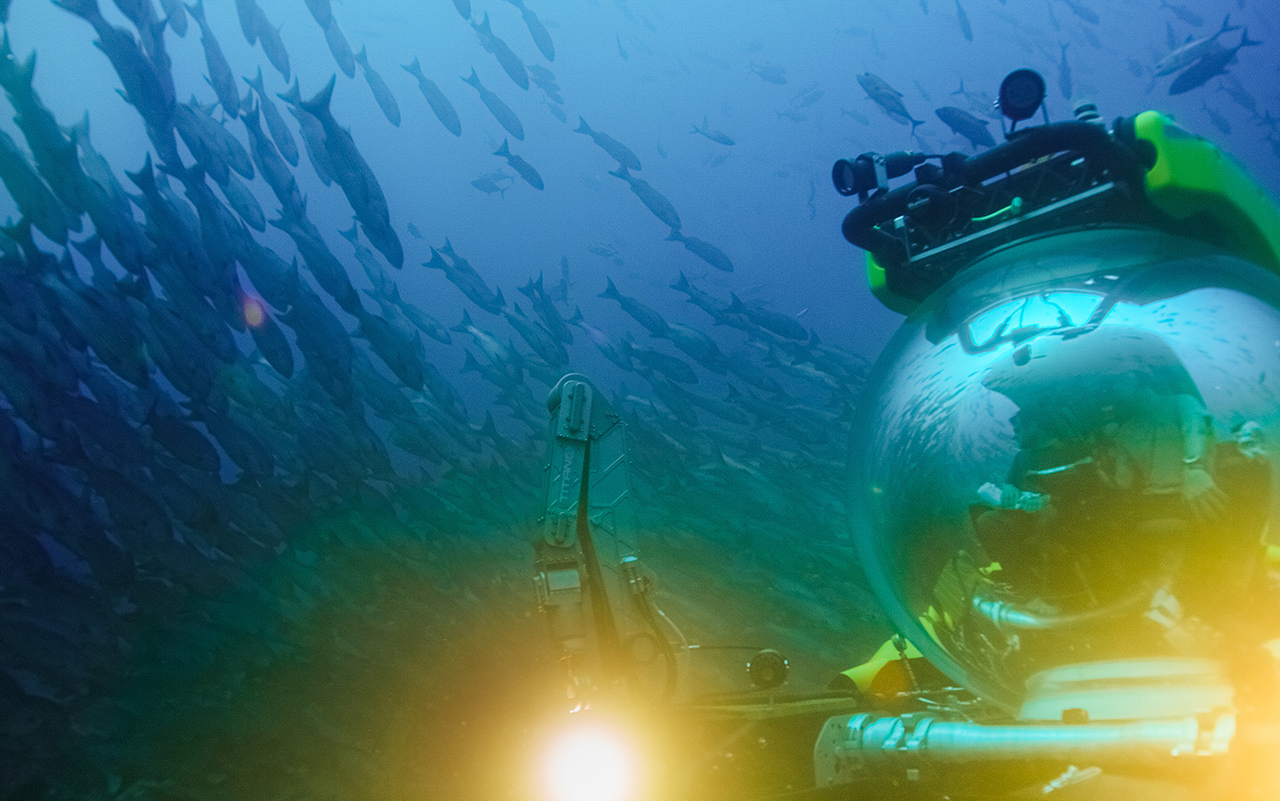
“OceanXperience” sub with fish image courtesy of OceanX. Click here for 300 dpi version.
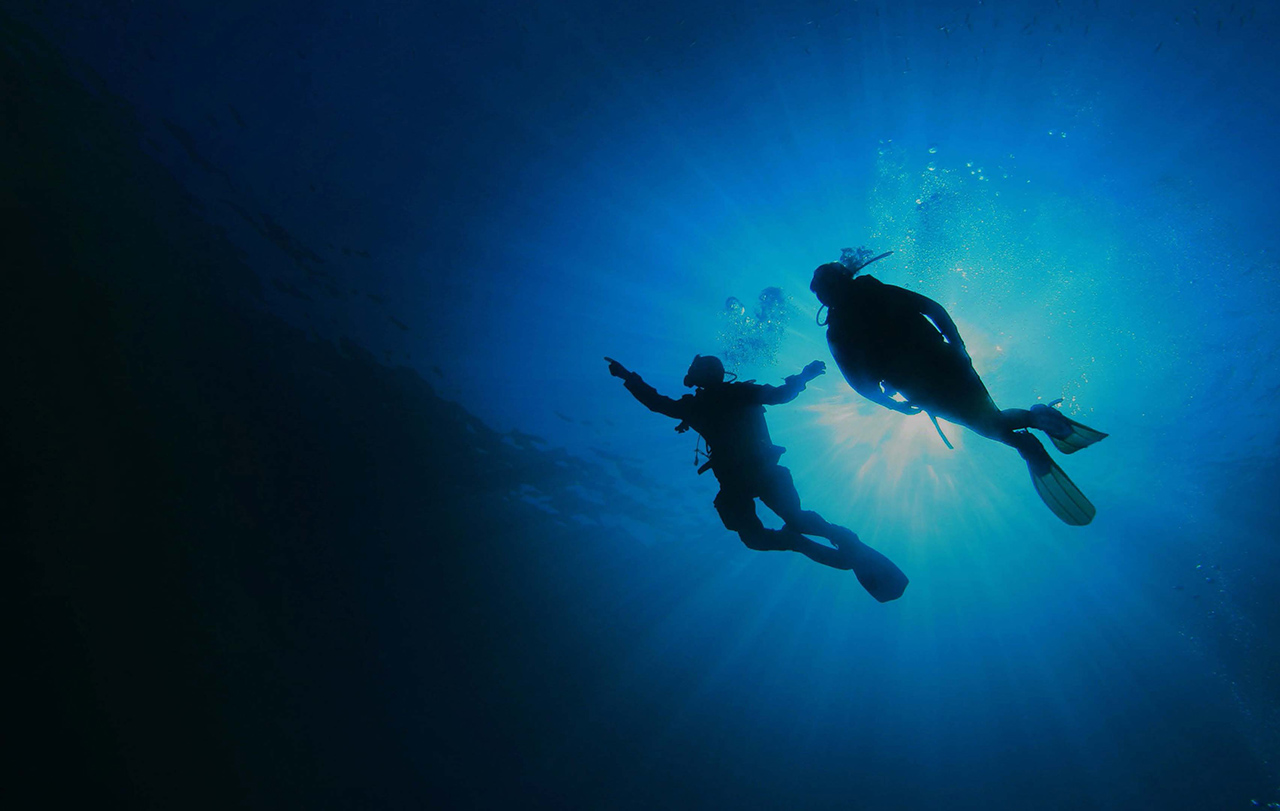
“OceanXperience” divers image courtesy of OceanX. Click here for 300 dpi version.